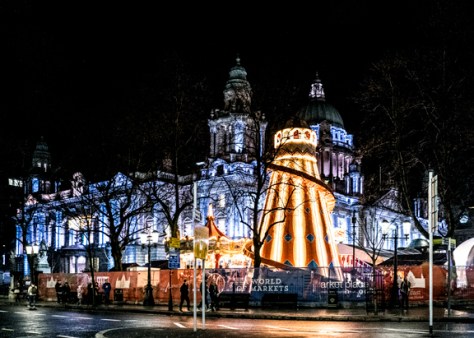
Time for my annual visit to the Belfast Christmas Market, clustered around the veritable ‘Dome of Delight’ itself, Belfast’s historic City Hall. This year again, it was the evening when I visited. I took the Fujifilm X-T30, small enough to be unobtrusive and powerful enough to make eye-watering images. I had the ISO at 3200 throughout the evening. Despite the fantastic X-T30, the market was so busy it was difficult to make any decent images, but here’s a few…
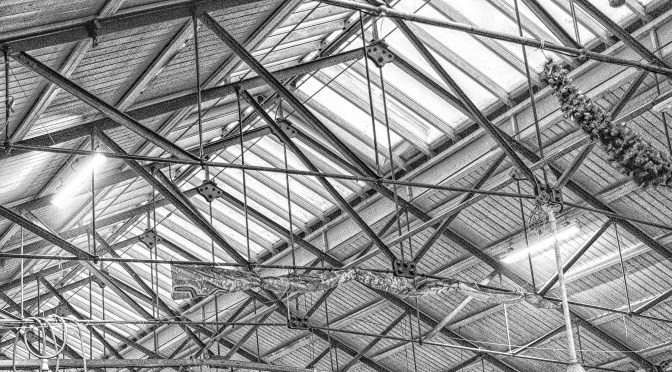
Saturday 9th September 2019 – the morning was wet, for heavy rain has been lashing the British Isles, causing flooding. Thankfully Northern Ireland has been spared the worst effects, unlike parts of England, where flooding has ruined homes and even led to loss of life. It’s too wet to go out on the streets, but I had a sort of a back-up plan. In Belfast is an old Victorian Covered Market, ‘St George’s Market’ (built in the 1890s) – and I thought a visit might bring one or two photo opportunities.
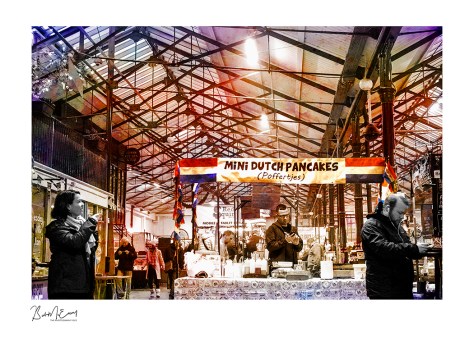
I liked this image. It was captured in RAW and converted to monochrome, then combined with the original colour image. The metal girders are converging on the sign, while the two people in monochrome are like bookends, giving the photograph a sense of completeness. It’s interesting that the woman on the left is pointing at the sign.
I’m back at it again. Skulking round the wee dark alleys and passages of Belfast, waiting for an unsuspecting suspect to make a silhouette.
This was November 1st, a cold wet day in the city, and this passageway leads up to a carefully tended and maintained courtyard at the front of a restaurant and bar.
Silhouette- Church Lane, Belfast.
Fujifilm X-T30 F=18mm, f/2.8 @ 1/125th sec on ISO800. Shot using Acros Film Simulation
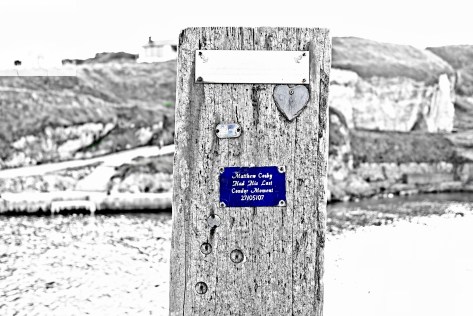
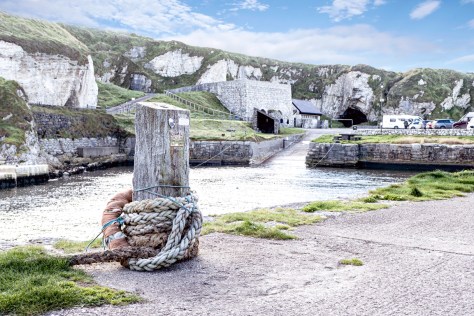
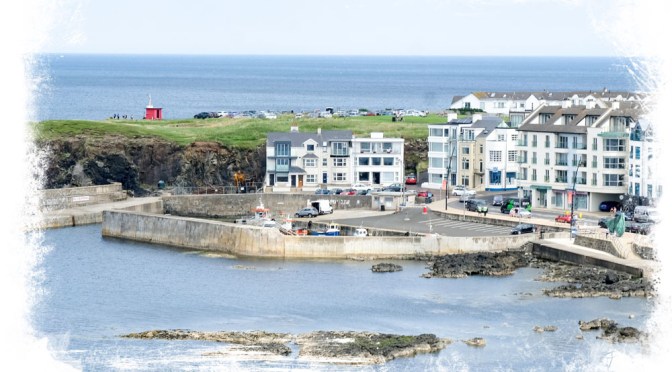
It’s back to the North Coast, one of my favourite parts of Northern Ireland! This time to spend an October day around Ballintoy, a picturesque harbour between the Giant’s Causeway and Ballycastle, Co. Antrim. I took the Fujifilm X-T30 and the Nikon F100.
Ballintoy Harbour
Ballintoy (Baile an Tuaigh – the northern townland) village is less than a mile from the harbour, which is accessed by a narrow winding road. Even the journey to the harbour is visually rewarding.
A visit to the Mausoleum at Templepatrick (Co.Antrim) requires some diligence and persistence – just to find it! It is signposted from the road opposite the Templeton Hotel, and the passage to the site lies within the historic Castle Upton Estate. Nowadays the monument is owned by the National Trust. A visit is rewarding though, for the site is historic, including not only the Templetown Family mausoleum, but also the grave of the first Presbyterian Minister of Templepatrick, Rev John Welsh, the grandson of John Knox.
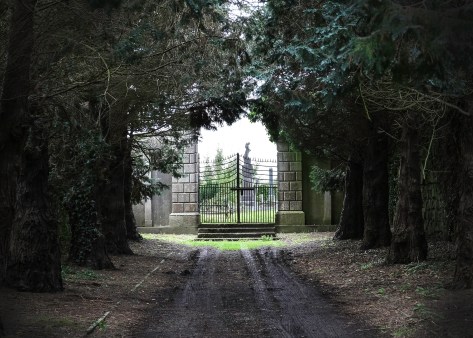
The approach to the graveyard is by way of a tree lined pathway, which lends itself to the ‘spooky fog’ treatment in photoshop! (Don’t worry, you can see the ‘untreated’ image in the next montage. Images were made with the Fujifilm X-T30 and a standard zoom, 18-55mm lens.
The Gate to the Mausoleum – Spooky! F=39mm, f/4 @ 1/60th sec on ISO800
Pathway and gates F=39mm, f/4 @ 1/60th sec on ISO800First view of the mausoleum from the gate.F=28mm, f/11 @ 1/60th sec on ISO400
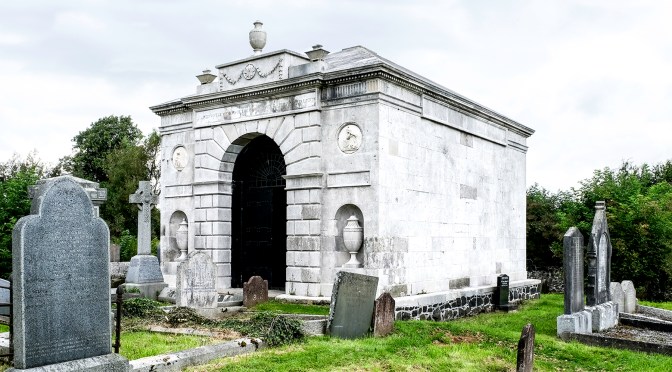
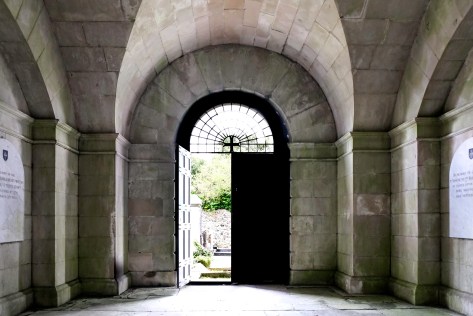
The Mausoleum was built by the Scottish architect Robert Adam for the Upton family in 1789. It contains memorials to some of the family members. On the day I visited the monument was open and access to the inside was certainly interesting.
The Mausoleum Interior. F=18mm, f/2.8 @ 1/60th sec on ISo3200
The best shot of the Mausoleum is from the far side of the graveyard. Although the ground is uneven and the graves squashed close together, the graveyard can be crossed with care for a rewarding photograph.
The Templeton Mausoleum at Castle Upon Estate F=18mm, f/13 @ 1/60th sec on ISO400
Fujifilm X-T30, 18th August 2019, 6pm, overcast/patchy clouds – daylight. Average reading was f/5.6 @ 1/250th sec on ISO200,
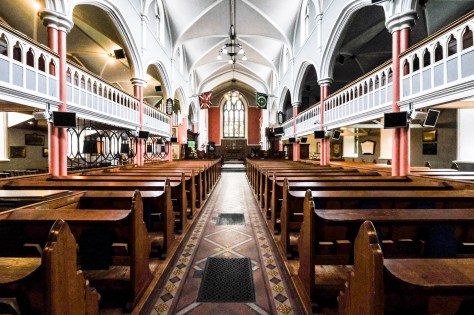
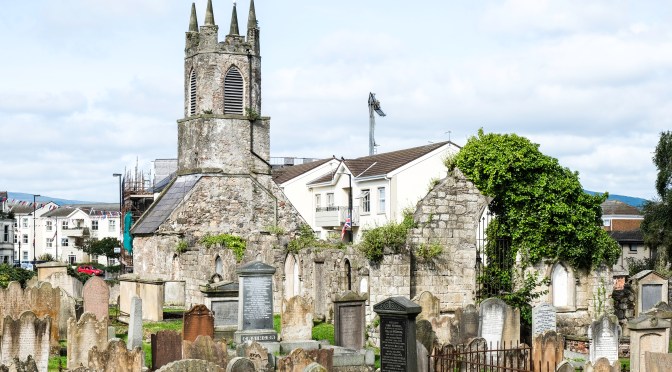
I had a few minutes to kill today before an appointment, so I had a short stroll around Holywood Priory, an old church and graveyard in Holywood, a medium sized town between Belfast and Bangor, and part of the Ards and North Down District Council area.
Portstewart’s annual ‘Red Sails Festival’ is held each year during the last week of July each year. With entertainers, singers, children’s competitions and amusements, exhibitions and a fireworks display – the festival attracts great crowds into the seaside town each year, filling the cafes, coffee shops and restaurants, and giving plenty of opportunities to meet friends and enjoy the company. this year it was a week of high temperatures, pleasant breezes, and beautiful sunsets, and great opportunities for photography. Here’s a snapshot of the week…